 Emily Porter
 Introduction
Diamonds have long symbolized love, status, and permanence. For centuries, these precious stones were formed deep within the Earth over billions of years, making them rare and costly. Today, science has changed that narrative. The lab grown diamond created using advanced technological processes—has emerged as a compelling alternative to mined stones. These diamonds offer the same brilliance, durability, and chemical composition as natural diamonds, while addressing many ethical, environmental, and economic concerns associated with traditional mining.
As consumer awareness grows, so does interest in lab grown diamonds, especially among younger buyers who value transparency and sustainability. Understanding what these diamonds are, how they are made, and why they matter can help buyers make informed and confident choices.
What Is a Lab Grown Diamond?
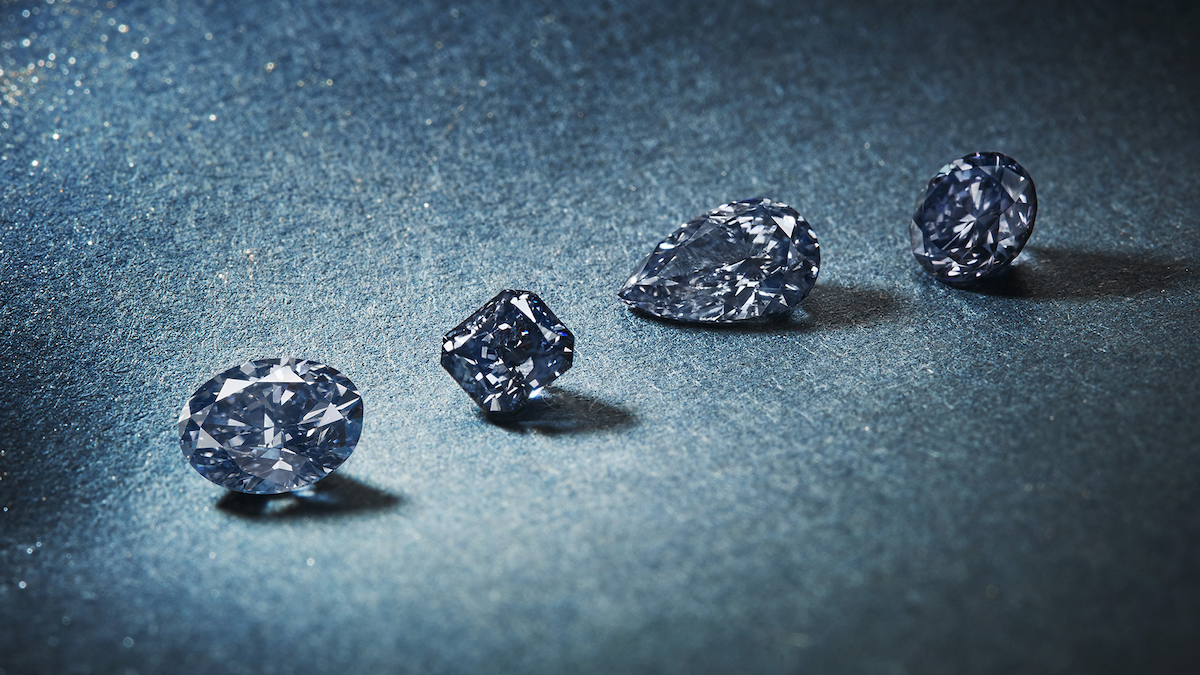
A lab grown diamond is a real diamond produced in a controlled laboratory environment rather than extracted from the earth. Scientifically, it is identical to a mined diamond. Both are composed of pure carbon atoms arranged in a crystalline structure, giving them the same hardness (10 on the Mohs scale), optical properties, and sparkle.
The key difference lies in origin. Instead of forming under extreme heat and pressure deep underground, lab-grown stones are created using technological methods that replicate natural conditions. As a result, they can be produced in weeks rather than over geological timescales.
These diamonds are not simulants like cubic zirconia or moissanite. They are authentic diamonds, recognized and graded by major gemological institutions using the same standards applied to natural stones.
How Are Lab-Grown Diamonds Created?
There are two primary methods used to produce lab grown diamonds, each grounded in advanced physics and materials science.
High Pressure High Temperature (HPHT): This method mimics the natural diamond formation process. A small diamond seed is placed in carbon-rich material and subjected to extremely high pressure and temperature. Over time, carbon atoms crystallize around the seed, forming a larger diamond.
Chemical Vapor Deposition (CVD): CVD involves placing a diamond seed in a chamber filled with carbon-rich gas, often methane. When the gas is energized, carbon atoms separate and bond to the seed, building the diamond layer by layer. This method allows for precise control over diamond quality and growth.
Both techniques produce diamonds that are optically and structurally indistinguishable from mined stones, even to trained gemologists without specialized equipment.
Ethical and Environmental Considerations
One of the strongest arguments in favor of lab-grown diamonds is their ethical profile. Traditional diamond mining has historically been associated with issues such as unsafe labor conditions, environmental degradation, and conflict financing in certain regions.
Laboratory-grown alternatives significantly reduce these concerns. Because they are created in controlled facilities, there is far greater transparency around sourcing and labor practices. This appeals to socially conscious consumers who want their purchases to align with their values.
From an environmental standpoint, lab-grown diamonds generally have a smaller ecological footprint. Mining requires extensive land excavation, water usage, and energy consumption. While lab production still uses energy—particularly electricity—the overall impact can be lower, especially when renewable energy sources are used.
Cost and Value: A Practical Advantage
Another major benefit is affordability. On average, lab grown diamonds cost 30–50% less than comparable mined diamonds. This price difference allows buyers to choose larger stones or higher clarity and color grades within the same budget.
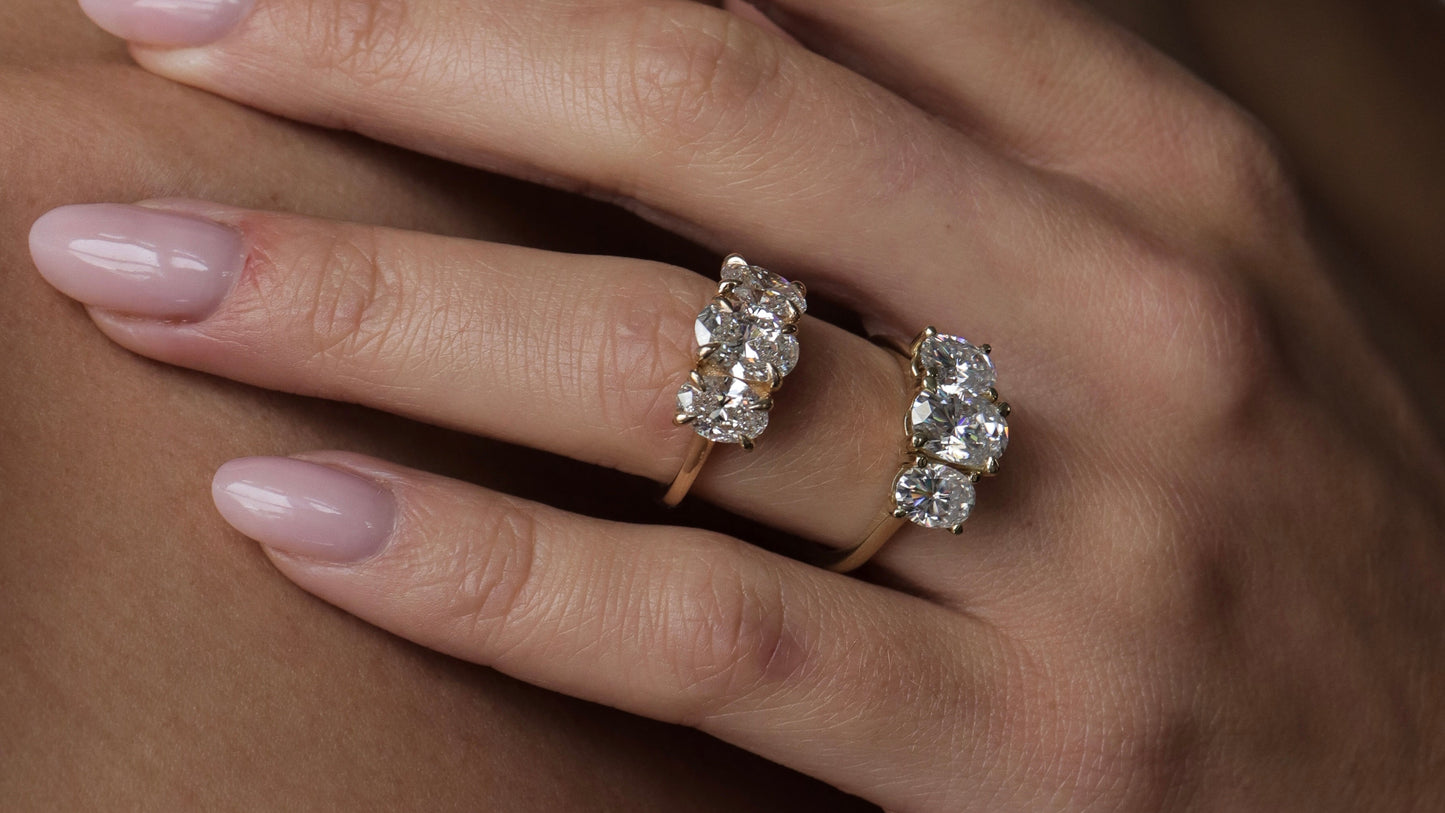
Lower cost does not mean lower quality. These diamonds are graded using the same “Four Cs”—cut, color, clarity, and carat weight—and can achieve top-tier ratings. For engagement rings, earrings, and other fine jewelry, this makes them an attractive option for value-driven consumers.
However, it is worth noting that resale value may differ. Mined diamonds have historically held value better due to perceived rarity, while laboratory-grown stones are still a relatively new market. For many buyers, though, emotional value and ethical alignment outweigh resale considerations.
Market Acceptance and Consumer Trends
Over the past decade, acceptance of lab-grown diamonds has increased rapidly. Major jewelry brands and retailers now offer extensive collections featuring these stones, and consumer skepticism has largely faded as education has improved.
Millennials and Gen Z consumers, in particular, are driving this shift. They tend to prioritize sustainability, transparency, and customization. The ability to trace a diamond’s origin and understand its environmental impact resonates strongly with these demographics.
In addition, technological advancements have improved quality consistency, making laboratory-grown stones more accessible and appealing across global markets. As production techniques continue to evolve, these diamonds are expected to play an even larger role in the jewelry industry.
Choosing Between Lab-Grown and Mined Diamonds
The decision ultimately comes down to personal priorities. Those who value tradition, geological rarity, and long-established resale markets may still prefer mined diamonds. Others may prioritize ethical sourcing, environmental responsibility, and cost efficiency.
It is important to work with reputable jewelers who provide proper certification from recognized gemological laboratories. This ensures transparency regarding a diamond’s origin and quality, whether it is lab-created or mined.
For many buyers today, lab grown diamonds represent a balanced choice—offering beauty, integrity, and innovation in one package.
Conclusion
The rise of the lab grown diamond marks a significant evolution in the world of fine jewelry. By combining scientific ingenuity with ethical and environmental awareness, these diamonds challenge long-held assumptions about rarity and value. They deliver the same physical and aesthetic qualities as mined diamonds while offering modern consumers greater choice and transparency.
As technology advances and awareness grows, lab grown diamonds are no longer seen as alternatives, but as equals—reshaping the diamond industry and redefining what it means to invest in something truly brilliant.