 Emily Porter
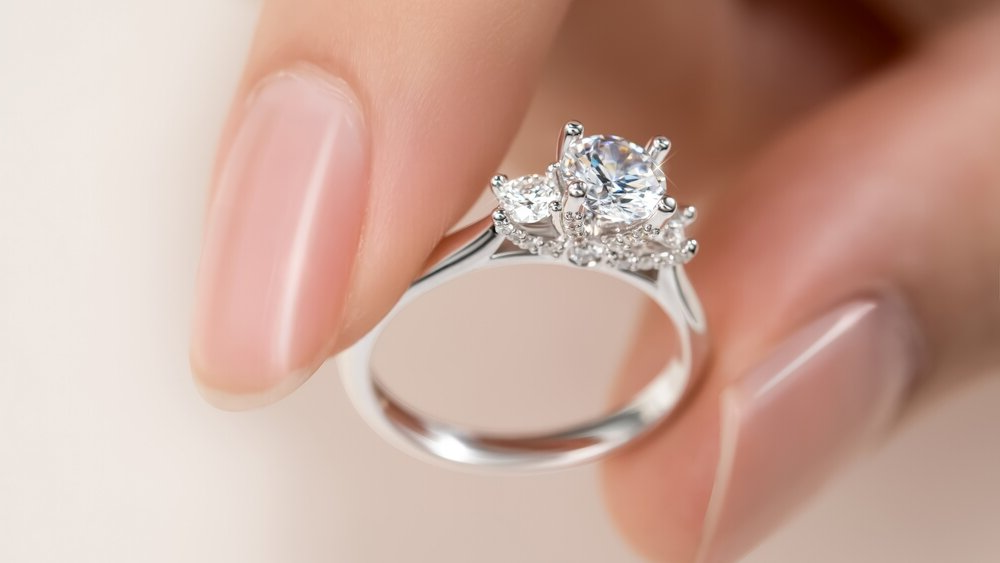
 Ever seen a ring that literally makes you stop mid-scroll? Yeah, that’s usually a white gold and diamond ring. The sparkle, the shine—it’s got that quiet kind of luxury that doesn’t need to scream for attention. But let’s be honest, there’s a lot more going on behind that shimmer than meets the eye. Especially now, when lab diamonds are completely changing the game.
So, whether you’re engagement-ring shopping, self-gifting (yes, that’s a thing), or just daydreaming, let’s dig into why these rings are having such a moment—and why, honestly, they deserve the hype.
The Story Behind the Sparkle
Here’s a fun fact: white gold didn’t even exist until the 1910s. It was basically invented to mimic platinum, which was too expensive and hard to find during wartime. But guess what? It stuck. And now it’s one of the most popular metals for engagement rings—partly because it has that cool-toned, mirror-like finish that makes diamonds look extra bright.
If yellow gold feels vintage and rose gold feels dreamy, white gold is the sleek, modern cousin. It’s like the neutral-toned outfit of jewelry—you can dress it up, dress it down, or layer it with anything.
But there’s also something emotional about it. People pick white gold because it feels timeless but not “too traditional.” It’s luxury without being loud. It’s commitment without cliché.
And when you pair it with a diamond? Game over.
There’s something mesmerizing about how a white gold band makes a diamond look bigger, clearer, and somehow even more sparkly. (Yeah, science has something to do with it—light reflection and color contrast—but it’s still kind of magical.)
Now, here’s where things get interesting. The definition of a “diamond” itself is changing. And it’s all thanks to lab diamonds.
The Rise of Lab Diamonds (and Why Everyone’s Talking About Them)
Let’s face it—buying a diamond used to come with a lot of baggage. Mining, markups, mystery about where it actually came from… it wasn’t exactly a transparent process. Then along came lab diamonds, and suddenly, the entire jewelry industry had to rethink what “real” means.
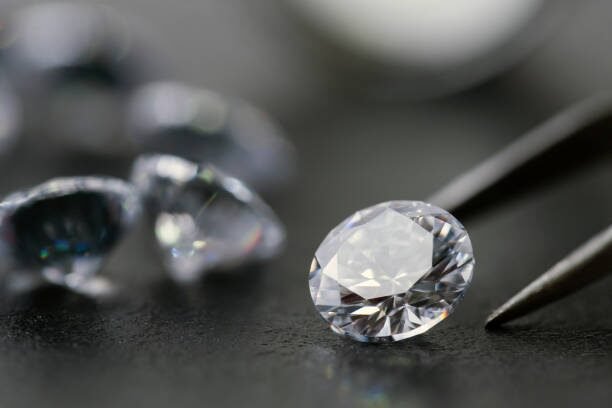
In case you’re wondering: yes, lab diamonds are real diamonds. Not “fake,” not “simulated,” not “almost.” They’re chemically identical to mined diamonds—it’s literally the same crystal structure. The only difference is where they’re made: one comes from deep inside the earth, the other from a lab that mimics those same natural conditions.
The best part? They’re often 30–40% cheaper. Which means you can go bigger, clearer, or just keep some budget for the honeymoon (or a puppy, or that espresso machine you’ve been eyeing).
And if you care about sustainability or ethics, lab diamonds just make sense. No digging massive holes in the ground. No questionable supply chains. Just pure sparkle, guilt-free.
You might be surprised how many celebrities and jewelers are switching over, too. Brands that used to swear by mined stones are now quietly (or not-so-quietly) offering lab diamond collections. And honestly, once you see one side-by-side with a mined diamond, you couldn’t tell them apart even if you tried.
So Why Does Everyone Still Love White Gold?
Alright, so we’ve got our diamond situation sorted. But what about the white gold part? Why not platinum, silver, or some funky new metal trend?
Here’s the thing: white gold hits that sweet spot between luxury and practicality.
Platinum is stunning, but it’s heavier (literally) and pricier. Silver? It’s beautiful too—but it tarnishes faster than you can say “jewelry polish.” White gold gives you that clean, silvery shine, but it’s tougher and keeps its color longer, especially with rhodium plating (that’s the stuff that gives it that mirror finish).
Plus, it just… looks right. It’s modern, but not cold. It works with every skin tone. And when you put a lab diamond in it? That combo just pops.
Picture this: a sleek, white gold and diamond ring catching the sunlight, with the kind of sparkle that makes you do a double take. Whether it’s a classic solitaire, a vintage halo, or a bold, art-deco setting—it works. Always.
Let’s be real: trends come and go, but white gold stays in that timeless zone. You know, the one that says “I have taste” without having to say anything at all.
Picking or Designing the Perfect Ring (Without Losing Your Mind)
Okay, here’s the part where most people get overwhelmed: the process.
Buying a ring—especially one with a diamond—can feel like learning a new language. There’s color, clarity, cut, carat weight, metal types, prong styles… breathe. It’s not that scary, I promise.
Here’s a simple breakdown that won’t melt your brain:
Step 1: Pick your diamond (or lab diamond).
Start with shape—round is classic, oval is trendy, pear is bold, and cushion cuts have that old-Hollywood vibe. Lab diamonds come in all these shapes too, so go wild.
Step 2: Choose the metal.
For most people, it’s between yellow, rose, or white gold. White gold tends to enhance a diamond’s brilliance—especially if you’re going for that bright, icy look.
Step 3: Decide on the setting.
Solitaire (simple and timeless), halo (extra sparkle), pavé (tiny diamonds on the band), or three-stone (symbolizing past, present, future—aww).
Step 4: Size it right.
You’d be surprised how often people guess wrong. Rings fit differently depending on width and temperature, so it’s worth getting measured.
Step 5: Add your personal touch.
Engraving a date, mixing metals, or adding colored side stones—whatever feels like you. Because honestly, that’s what makes it special.
Oh, and if you’re shopping online? Check for certifications (like IGI or GIA). They’ll tell you everything you need to know about the diamond’s quality—lab-grown or mined.
The Local Angle – Why It’s Worth Buying (or Designing) Near You
You might think, “Eh, I’ll just order one online.” And sure, that’s totally fine. But here’s a secret: local jewelers often offer customization you can’t get from big sites. Plus, they actually listen.
You can walk in, try on different band styles, compare lab diamonds under the light, and even see how a white gold and diamond ring looks against your skin tone. That kind of personal touch? Priceless.
And a lot of local stores are catching up with tech. They’ll show you 3D renderings, offer lab-grown options, and even do rhodium replating every few years to keep that white gold shine.
Another perk—local jewelers usually have stories. Family businesses, heritage pieces, custom designs inspired by local culture or architecture. It’s not just a ring; it’s a piece of art that actually means something.
How It’s Made (A Quick, Non-Boring Breakdown)
Let’s pull back the curtain for a sec. Here’s what actually happens before that ring lands in its velvet box:
-
The Diamond Stage: Whether mined or lab-grown, the diamond is cut, polished, and graded. Lab diamonds are usually grown using CVD (Chemical Vapor Deposition)—basically, science magic where carbon atoms bond to create a crystal.
-
The Metalwork: White gold starts as yellow gold mixed with other metals like palladium or nickel to give it that silvery hue. Then it’s coated with rhodium for that iconic shine.
-
The Setting: Jewelers handcraft or cast the band, then carefully set the stone—often under a microscope. Tiny tweaks make a huge difference in how the light hits the diamond.
-
The Polish: Everything gets buffed until it gleams. That’s the moment when it goes from “just a ring” to “holy wow.”
Sounds fancy, right? But that’s the beauty of it. It’s craftsmanship meets chemistry. Art meets science.
Conclusion: A Sparkle That Actually Means Something
At the end of the day, it’s not just about jewelry—it’s about stories, choices, and values. A white gold and diamond ring isn’t just pretty (though, obviously, it is). It’s a symbol of who we are right now: modern, mindful, and unafraid to mix tradition with innovation.